
Life rarely derails in a predictable, orderly fashion. When a major crisis hits, it does not politely wait for you to resolve your current problems before introducing new ones. Instead, life-altering events tend to trigger a domino effect. A physical injury can lead to severe emotional trauma; emotional trauma can strain a marriage; financial pressure from medical bills can decimate a household budget; and the coping mechanisms used to deal with the overwhelming stress can result in unexpected entanglements with the justice system.
When you are in the middle of a multi-layered crisis, it can feel as though you are fighting a war on several fronts simultaneously. The legal system can appear cold and unyielding, while the healthcare system can feel bureaucratic and confusing. Understanding how these distinct areas of life intersect is the first step toward regaining control. By looking at these challenges not as a single, insurmountable mountain of chaos, but as a series of interconnected, solvable problems, you can begin to build a roadmap back to stability.
This guide explores the deep intersections between civil law, criminal law, financial restructuring, and physical and mental health recovery. It offers practical guidance on how to navigate these overlapping crises with your dignity, your health, and your future intact.
1. Protecting Your Rights and Future Stability After a Sudden Trauma

The immediate aftermath of a severe, unexpected physical trauma is marked by confusion and overwhelming adrenaline. Whether a person is involved in a major automobile collision, a commercial property accident, or a catastrophic workplace mishap, the initial focus must always be on medical stabilization. However, once the emergency room physicians have completed their initial assessments, a secondary crisis often begins to take shape: the realization that your entire financial and professional future has been altered by someone else’s negligence.
Navigating the insurance claims process while managing severe physical pain is a recipe for exhaustion. Insurance adjusters frequently attempt to contact vulnerable individuals early in the process, offering quick settlements that may seem substantial at first glance but fail to cover long-term rehabilitation, future surgeries, or permanent loss of earning capacity. Securing competent representation from a qualified personal injury attorney is vital during this window to ensure that your immediate and future medical expenses are fully accounted for, allowing you to focus purely on your physical healing.
Tragically, some incidents are so severe that the victim does not survive the initial trauma or succumbs to their injuries later in the hospital. For families facing this unimaginable reality, the emotional devastation is compounded by sudden funeral expenses, the loss of emotional companionship, and the abrupt termination of the decedent’s financial support. In these profound circumstances, holding the negligent parties accountable through a civil claim managed by a wrongful death attorney becomes a necessary step to protect the surviving family members from financial ruin and to establish a sense of legal justice.
2. Overcoming Biases and Securing Proper Treatment After Roadway Collisions
Certain types of vehicular accidents come with unique societal and legal hurdles that do not typically apply to standard passenger car collisions. This is particularly true for incidents involving two-wheeled vehicles. Operators of motorcycles are exposed to a much higher risk of catastrophic injury, including traumatic brain injuries, complex fractures, and severe road rash requiring extensive skin grafting. Despite the vulnerability of these riders, they often face an unfair cultural bias from insurance companies and law enforcement officers who assume the rider was acting recklessly.
To combat these biases, it is essential to gather precise, technical evidence from the crash scene, including accident reconstruction data, skid mark measurements, and witness testimonials. Partnering with an experienced motorcycle accident lawyer who understands the specific dynamics of rider physics and the unique laws governing lane splitting and visibility can dramatically alter the trajectory of a claim. This specialized advocacy ensures that the injured rider is treated with dignity and that the settlement reflects the true, extensive nature of the medical treatment required for recovery.
3. Understanding the Interconnection Between Chronic Pain and Dependency
The road to recovery from a major physical injury is rarely straight or easy. Many individuals find themselves dealing with chronic, debilitating pain that persists for months or even years after their initial medical treatment. To manage this pain and return to work, patients are frequently prescribed potent pharmaceuticals. While these medications can be vital tools for pain management in the short term, they carry a high risk of chemical dependency, especially when used over an extended duration without rigorous clinical oversight.
The transition from managing physical pain to battling chemical dependency is a common point where health crises begin to overlap. When a prescription runs out, or when a tolerance builds up to the point where the prescribed dose is no longer effective, individuals may experience intense withdrawal symptoms and psychological cravings. This psychological and physiological reliance on a substance to function normally marks the beginning of a profound struggle with substance abuse, a condition that requires medical and therapeutic intervention rather than judgment or isolation.
When dependency takes hold, the body becomes physically reliant on the chemical to maintain baseline equilibrium. Attempting to cease usage abruptly, commonly known as going cold turkey, can trigger severe, potentially life-threatening medical complications, including seizures, extreme cardiovascular stress, and profound psychological distress. For this reason, the safest and most effective way to begin the journey toward sobriety is to enter a licensed, medically supervised detox center, where physicians and clinical staff can safely manage withdrawal symptoms and ensure the individual is stabilized both physically and mentally.
4. Navigating Long-Term Rehabilitation and Rebuilding Daily Wellness
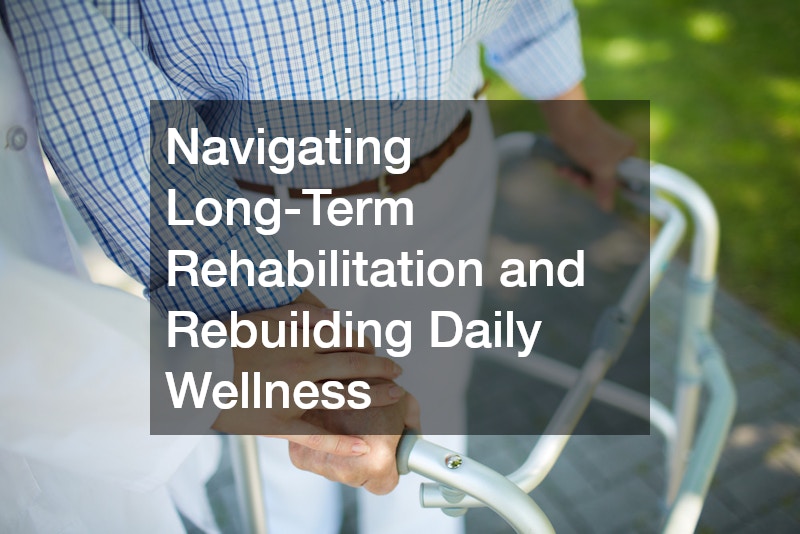
Once the physical toxins have been safely cleared from the body under medical supervision, the deeper work of long-term behavioral and psychological rehabilitation must begin. Addiction is rarely just about the chemical substance itself; it is frequently tied to underlying trauma, chronic pain, untreated mental health conditions, and the profound stress of navigating ongoing life crises. True healing requires an environment that addresses the root causes of the dependency while teaching sustainable coping mechanisms for the future.
Enrolling in a comprehensive alcohol rehab or drug treatment program provides individuals with the structured environment, group therapy, and individual counseling necessary to unpack these complex emotional layers. These programs help participants rebuild their self-esteem, repair broken communication patterns with their loved ones, and establish a daily routine centered on health and wellness. By focusing on holistic healing, individuals can transition from a state of mere survival back into a life of purpose and long-term stability.
5. Protecting Legal Freedom and Navigating the Justice System
Unfortunately, the behaviors associated with unmanaged dependency frequently intersect with the criminal justice system. Individuals struggling with addiction may find themselves facing severe legal charges, such as operating a vehicle under the influence, unlawful possession of a controlled substance, or non-violent property crimes committed to sustain a chemical dependency. A criminal arrest during an already severe health crisis can feel like the absolute end of the road, carrying the terrifying potential for incarceration and a permanent criminal record.
When facing the power of the state in a criminal matter, it is crucial to remember that you still have fundamental constitutional rights. Securing the services of a dedicated criminal attorney as soon as possible after an arrest is vital to protecting those rights. A skilled defense lawyer can evaluate the legality of the police traffic stop or search, negotiate for alternative sentencing options such as mental health or drug courts, and present evidence of your commitment to rehabilitation to prosecutors and judges, often securing outcomes that prioritize treatment over incarceration.
6. Mitigating Financial Ruin and Finding a Path to Debt Relief
The compounding costs of a multi-layered crisis can quickly destroy a family’s financial foundation. A single week in an intensive care unit, combined with specialized surgery, emergency transport, and subsequent long-term pharmaceutical care or rehabilitation, can easily total hundreds of thousands of dollars. When these massive medical bills arrive simultaneously with a total loss of household income due to an inability to work, the financial stress can become completely paralyzing.
When traditional debt consolidation and negotiation strategies are no longer sufficient to stop creditor harassment, lawsuits, or wage garnishments, federal debt relief laws offer a legitimate mechanism to hit the reset button. Consulting with an experienced bankruptcy attorney allows individuals to explore options under Chapter 7 or Chapter 13 of the bankruptcy code. This legal process can liquidate or restructure overwhelming medical and personal debt, halt active collection actions immediately through the automatic stay, and provide a clear, legal path toward rebuilding financial credit and peace of mind.
7. Managing Family Transitions and Protecting Relationships Under Stress
The immense emotional and financial pressure of navigating chronic illness, legal battles, and substance recovery can place an unbearable strain on even the strongest marriages. When communication breaks down completely and mutual support is replaced by resentment, blame, or emotional exhaustion, a couple may decide that dissolving the marriage is the healthiest option for everyone involved, particularly if children are witnessing the constant turmoil.
Ending a marriage under these high-stress circumstances requires a delicate balance of emotional boundaries and legal strategy. Working with compassionate divorce lawyers can help ensure that sensitive matters such as the equitable division of marital property, spousal support, and child custody arrangements are handled with professional objectivity. A skilled family law attorney acts as a buffer between the parties, working to achieve a fair resolution through mediation or litigation while protecting the long-term emotional and physical well-being of any children involved.
8. Harnessing Advanced Technology to Streamline Crisis Management
In the modern landscape of legal and medical support, technological innovation is playing an increasingly vital role in how people access help and manage complex documentation. When you are dealing with multiple lawyers, doctors, and therapists, keeping track of calendars, medical records, court dates, and insurance forms can quickly become a full-time job that drains your remaining emotional energy.
The integration of AI and machine-learning tools into professional services is helping to alleviate this administrative burden. Modern law firms and medical clinics utilize advanced software to instantly categorize client documents, provide automated reminders for critical deadlines, and power round-the-clock digital chat assistants that can answer basic procedural questions instantly. By leveraging these modern technological tools, professionals can reduce administrative delays, keep clients better informed, and allow human advocates to spend more time focusing on the highly personalized elements of a client’s case.
9. Developing a Comprehensive Plan for Multi-Disciplinary Recovery
Overcoming a complex web of legal, financial, and medical challenges requires a coordinated approach. You cannot treat these issues as completely separate compartments; a change in your health status affects your financial stability, which in turn influences your legal options. Developing a clear, structured plan that addresses all aspects of your crisis simultaneously is the most effective way to ensure that no critical detail is overlooked.
10. Cultivating Long-Term Resilience and Community Support Networks
The final phase of navigating a multi-layered crisis involves moving beyond immediate damage control and focusing on long-term stability and personal growth. Rebuilding a life after an accident, a period of addiction, or a severe financial reset takes time and immense patience. It requires a shift in perspective from viewing oneself as a victim of unfortunate circumstances to recognizing oneself as a resilient survivor who has navigated a complex system and emerged stronger on the other side.
Building a strong, local support network is essential during this rebuilding phase. This network should include trusted family members, medical professionals, peer support groups, and financial mentors who understand your journey and can offer objective guidance when new challenges arise. By staying connected to a supportive community and continuing to practice the healthy coping mechanisms learned during your recovery, you can safeguard your physical health, maintain your financial freedom, and ensure that your future remains bright and purposeful.
By securing the right professional advocates, utilizing modern technological tools, and prioritizing your holistic well-being, you can systematically dismantle the chaos. Remember that seeking help is a sign of profound strength, not weakness. With patience, organization, and the support of a dedicated team, you can successfully navigate these intersecting storms and step forward into a stable, healthy, and secure chapter of your life.